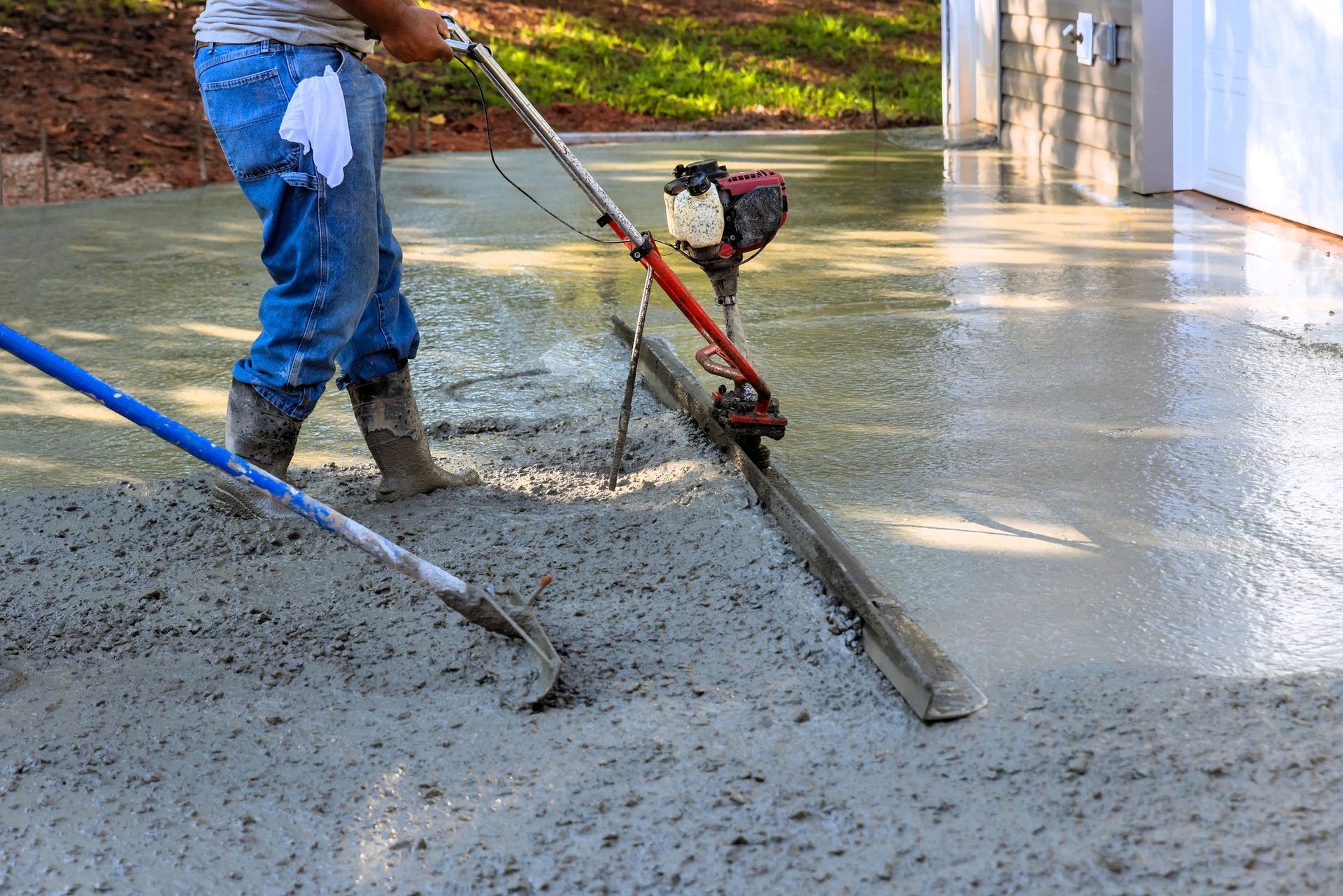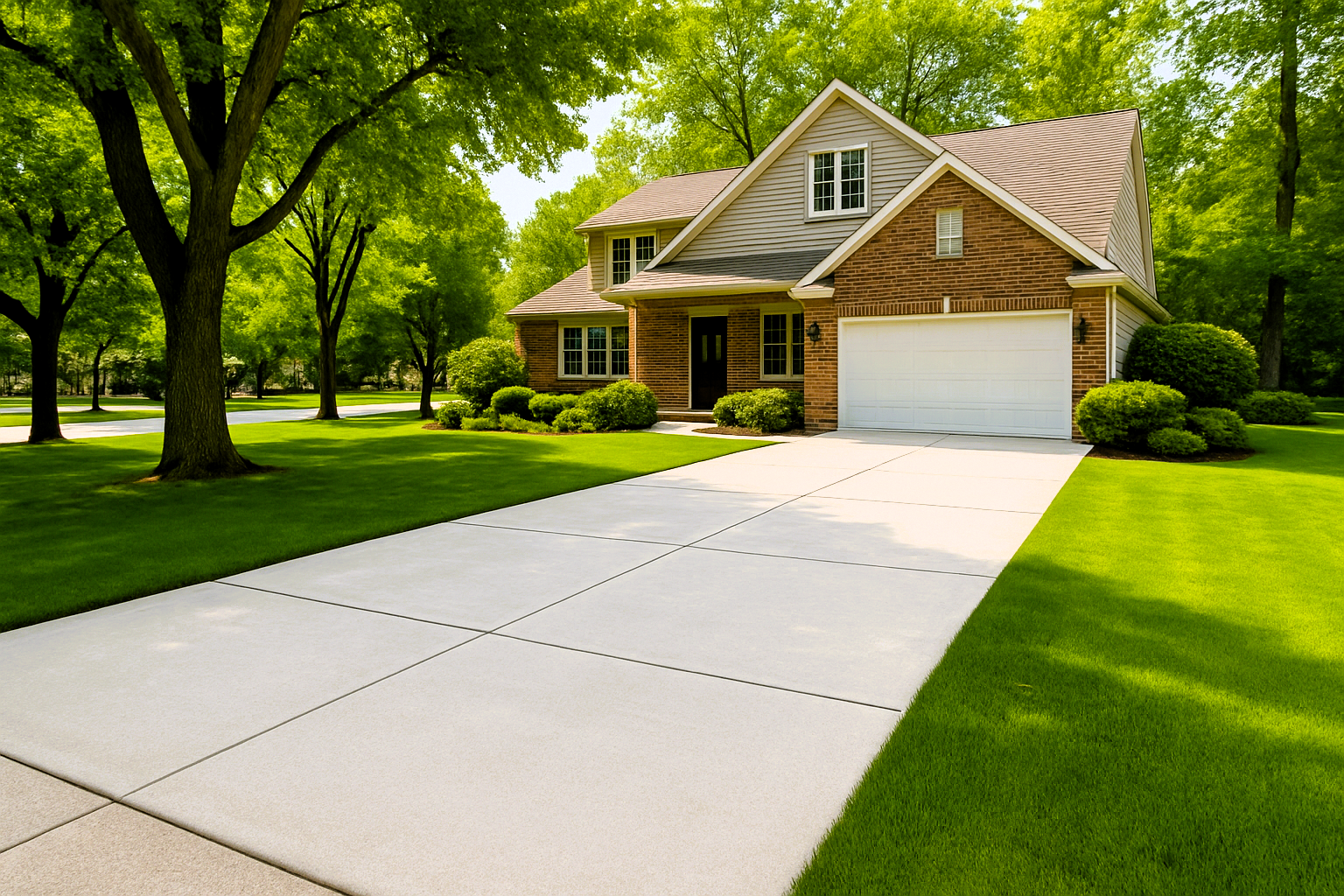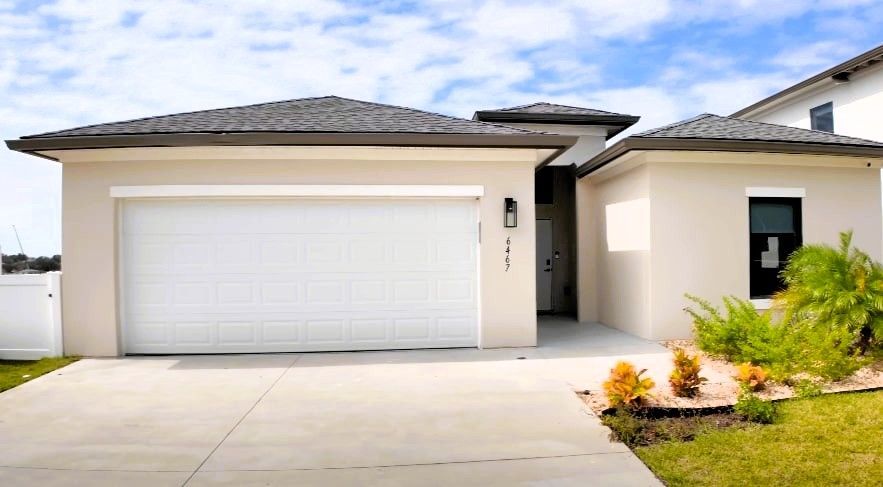
How Proper Concrete Installation Stops Potholes and Cracks Before They Start
Why proper installation matters for concrete durability
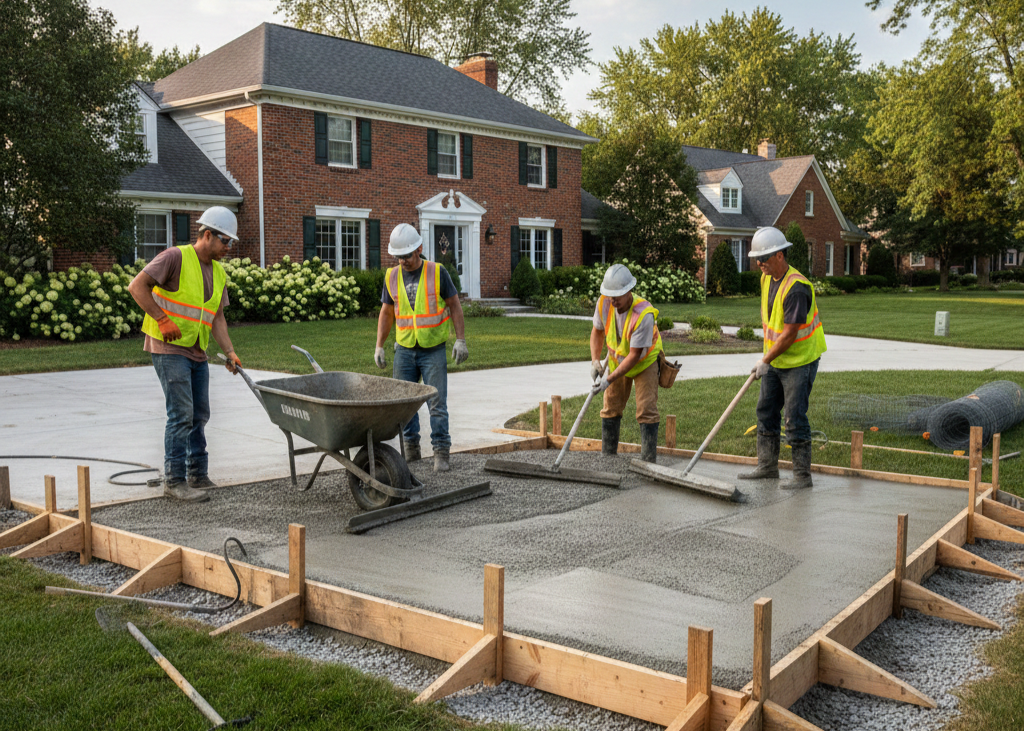
If you’ve ever stepped outside after a brutal Michigan winter and spotted new cracks or crumbling edges in your driveway, you’re not alone. For homeowners in Holland, Michigan, concrete takes a real beating. Between freeze-thaw cycles, snowmelt, and daily traffic from cars, bikes, and lawn equipment, it’s no wonder concrete sometimes gives up.
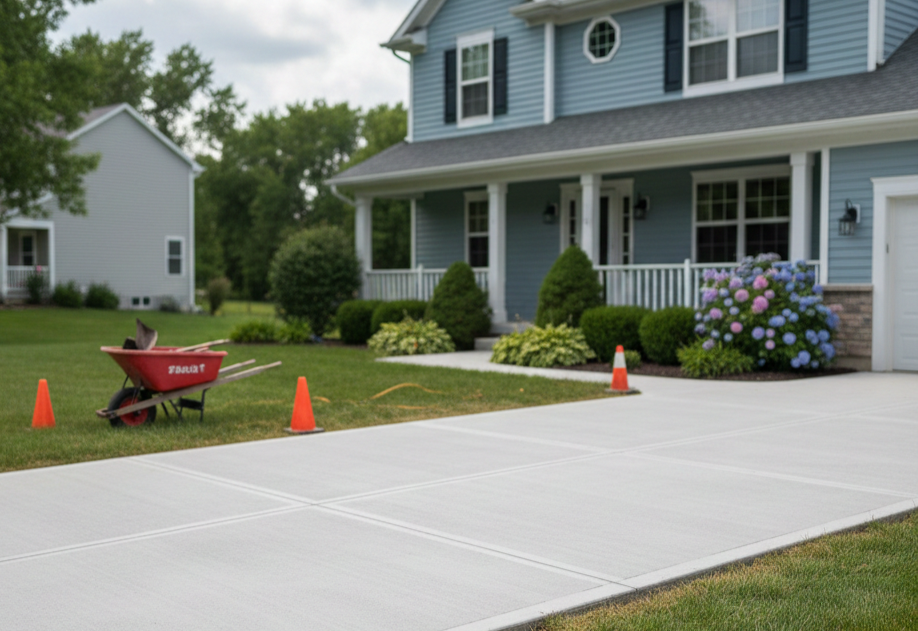
Here’s the good news. Most cracks and potholes aren’t inevitable. When concrete is installed the right way, your driveway, patio, or sidewalk can stay smooth, solid, and good-looking for years.
Think of concrete like baking a cake. Skip a step, rush the process, or use the wrong ingredients, and it might look fine at first. Time passes, and soon it begins to break. Concrete follows the same fate. A solid base, the right mix, proper reinforcement, and patient curing are the not-so-secret ingredients that keep it strong.
Let’s break down why concrete fails and how proper installation helps it stand up to Holland’s weather and everyday use.
Why Concrete Cracks and Develops Potholes
Before talking solutions, it helps to know what causes the damage in the first place.
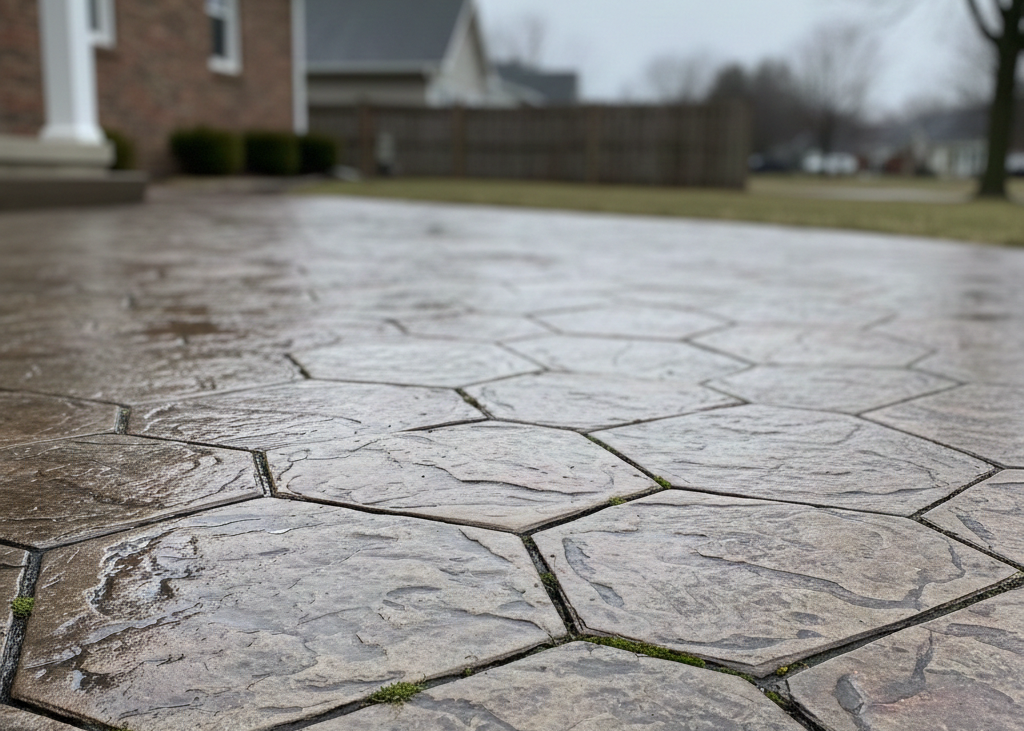
Water and freeze-thaw cycles - Holland winters are tough. Moisture infiltrates microscopic voids in the concrete; upon freezing, it expands, slowly generating fissures. Over time, those cracks can turn into potholes.
Poor ground preparation - If the soil beneath the concrete isn’t compacted or leveled correctly, it shifts. That movement creates stress, uneven surfaces, and cracks that show up sooner than expected.
Weak concrete mix or missing reinforcement - Concrete that’s mixed incorrectly or poured without rebar or wire mesh simply can’t handle pressure. Under stress, it breaks.
Heavy traffic and repeated use - Driveways and sidewalks carry more weight than people realize. Cars, delivery trucks, bikes, and equipment add up. Without proper installation, the damage adds up just as fast.
Understanding these causes makes it clear why each installation step matters.
1. A Solid Base Prevents Settling and Cracking
Even the toughest concrete relies on the strength beneath. If the ground is soft, uneven, or poorly compacted, the slab will eventually sink or shift. That’s when cracks and bumps appear.
Professionals take the time to compact the soil, add a stable gravel base, and ensure proper slope for drainage. Though it goes unnoticed, it lays the foundation for everything else. Skip it, and problems are almost guaranteed later.
2. Mix It Right, Build It Strong
Concrete isn’t just cement and water tossed together. The mix has to be right for Michigan’s climate.
A proper mix balances:
- Water-to-cement ratio
- Aggregate size
- Strength and workability
Why it matters:
- Stronger surfaces that resist cracking
- Better durability under vehicles and foot traffic
- Improved resistance to freeze-thaw damage
A good mix helps your concrete last longer and look better while doing it.
3. Reinforcement Shields Concrete from Strain
When it comes to bearing weight, concrete performs brilliantly. Bending or pulling is another story. That’s where reinforcement comes in.
Rebar or wire mesh acts like a skeleton inside the slab. It holds everything together when the concrete flexes under traffic or temperature changes. Cracks appear sooner on driveways and sidewalks that lack structural reinforcement.
4. Control Joints Guide Cracks Where They Belong
Even perfectly poured concrete shrinks a little as it dries. That shrinkage has to go somewhere.
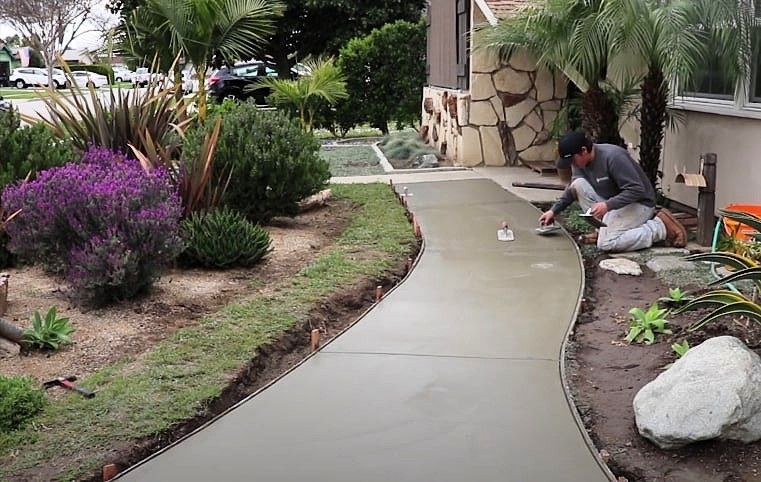
Control joints give the concrete a planned place to crack. Instead of random, ugly fractures, the slab cracks neatly along the joints. The result looks better and lasts longer.
5. Proper Curing Builds Long-Term Strength
Curing is where concrete really becomes strong. Think of it like letting bread rise or wine age. Rushing this step weakens the final product.
Effective curing methods include:
- Keeping the surface moist with water
- Covering it with plastic or wet burlap
- Using curing compounds to lock in moisture
Well-cured concrete resists surface damage, cracking, and wear, especially during Michigan’s seasonal temperature swings.
6. Good Drainage Protects Against Water Damage
Water is concrete’s biggest enemy. Whether it collects on your driveway or patio, eventually it will make its way indoors.
Proper slope, drainage planning, and sealing help water move away instead of sitting on the surface. A little effort here goes a long way in keeping cracks and potholes from forming when moisture freezes.
7. A Little Maintenance Keeps Concrete Looking Great
Even high-quality concrete benefits from basic care. Sweeping debris, cleaning after winter, sealing every few years, and fixing small cracks early can add decades to its lifespan.
Small efforts now prevent big repair bills later.
Why Professional Installation Really Matters
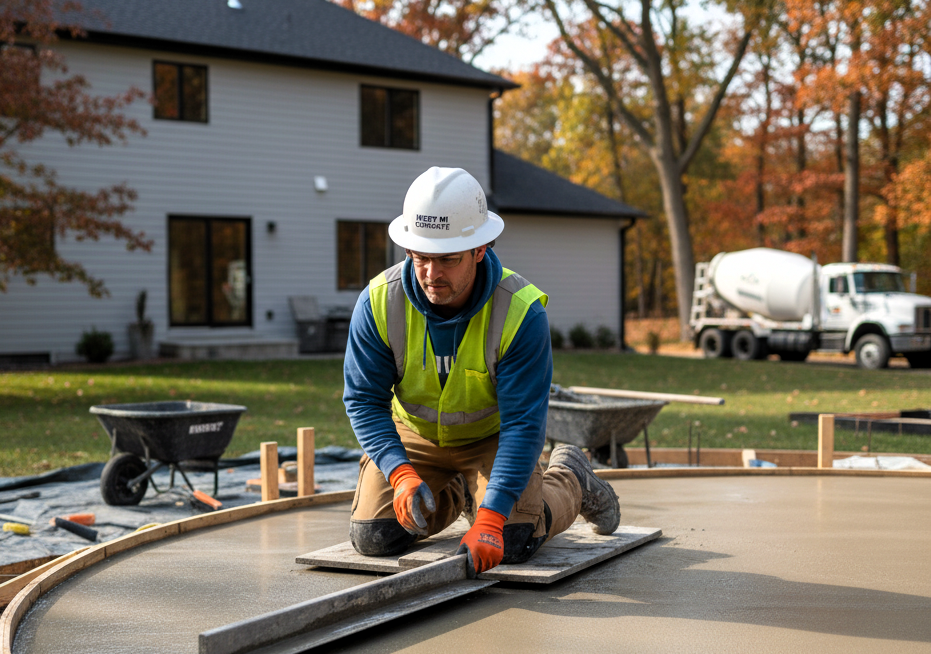
Concrete may look simple, but doing it right takes experience. Every step, from preparing the base to curing and drainage, plays a role in preventing cracks and potholes. Taking shortcuts may seem cost-effective at first, but it usually ends up costing more in repairs later.
Having trusted experts by your side makes all the difference. Holland Custom Concrete specializes in driveways, patios, sidewalks, and more, all built to handle Holland’s harsh winters and everyday wear. Their attention to detail helps your concrete last longer, perform better, and look great year after year.
Protect your investment and enjoy concrete that stands the test of time.
Reach out
to Holland Custom Concrete and experience flawless results from the start.